Legal

© CryoSave South Africa (Pty) Ltd
All rights reserved

Unlocking the Potential of Stem Cell Banking for ADHD Treatment

Why Store Your Baby’s Stem Cells?

Pioneering Autism Therapies

  • Scientists are actively exploring the use of mesenchymal stem cells to repair neural damage, reduce inflammation, and enhance brain connectivity in individuals with autism.
  • Clinical trials indicate that MSC therapy may improve communication skills, social behavior, and cognitive function in children diagnosed with ASD.

Immediate and Personalized Treatment Access

  • Banking your baby’s umbilical cord stem cells ensures an immediate, personalized treatment option should future therapies be needed.
  • These cells are a perfect biological match, eliminating the risk of immune rejection and reducing complications associated with donor-derived treatments.

Superior Cell Viability and Potency

  • Stem cells harvested at birth exhibit higher viability, proliferation potential, and regenerative capabilities compared to adult-derived stem cells.
  • Early collection preserves their maximum therapeutic effectiveness for potential use in emerging autism treatments.

Expanding Possibilities Beyond Autism

  • Stem cells from umbilical cord blood and tissue are multipotent, meaning they can be used for a wide range of conditions beyond ASD, including neurodegenerative diseases and immune disorders.
  • Banking these cells now safeguards future possibilities for personalized and family-wide medical interventions.

Addressing Common Concerns

Ethical and Financial Considerations

  • While there is an upfront cost associated with stem cell banking, many families view it as a long-term investment in their child’s health.
  • Ethical banking practices ensure transparency and evidence-based approaches, preventing misinformation and unrealistic expectations.

Scientific Advancements and Ongoing Research

  • The field of stem cell therapy for autism is evolving, with ongoing clinical trials demonstrating encouraging outcomes.
  • Continued investment in research and technological advancements in cryopreservation will further enhance the effectiveness and longevity of stored stem cells.

The Future of Stem Cell Therapy for Autism

As precision medicine advances, stem cell therapies could become an integral part of treating autism and other neurological conditions. By banking umbilical cord stem cells today, parents can proactively secure access to potential life-changing treatments for their child and family.

Take Action Today

Expecting parents have a unique opportunity to invest in their child’s future by preserving the most potent and valuable stem cells available. As research progresses, stored stem cells may unlock unprecedented possibilities in treating autism and beyond.

Give your child the gift of future medical advancements—consider stem cell banking with CryoSave at birth.

Unlocking the Potential of Your Baby’s Umbilical Cord Stem Cells

How MSCs Can Help

MSCs have unique properties that make them valuable for potential autism treatment:

  • Anti-Inflammatory Effects: Research shows that children with autism often have increased brain inflammation. MSCs help by reducing inflammation and balancing immune responses.
  • Neuroprotection & Brain Repair: These powerful cells promote brain cell survival and enhance neural connections, which are essential for learning and behavior.
  • Regulation of the Gut-Brain Axis: Emerging evidence suggests that MSCs can help restore gut health, which is closely linked to brain function and ASD symptoms.

Clinical Evidence Supporting MSC Therapy

Research into MSC therapy for autism is growing. Here are some key findings:

  • Improved Social Skills & Communication: Studies have shown that children receiving MSC therapy exhibit noticeable improvements in eye contact, verbal abilities, and social engagement.
  • Reduction in Repetitive Behaviors & Hyperactivity: Parents report significant positive changes in behavior after MSC treatment.
  • Safe & Non-Invasive Treatment: Clinical trials using umbilical cord-derived MSCs have demonstrated safety and feasibility, with no severe side effects reported.

Why Store Your Baby’s Stem Cells?

By preserving your baby’s umbilical cord stem cells at birth, you are making a powerful investment in their future health. Stem cells are a valuable, non-invasive resource that can be used for regenerative therapies, including potential treatment for autism and other neurological conditions.

Act Now – A Once-in-a-Lifetime Opportunity

Umbilical cord stem cells can only be collected at birth, making this a one-time opportunity to secure a vital medical resource for your child’s future. With ongoing advancements in stem cell research, storing these cells today could provide access to groundbreaking therapies tomorrow.

Give your child the best chance for a healthy future — consider preserving their umbilical cord stem cells at birth by signing up with CryoSave!

A Year in Review

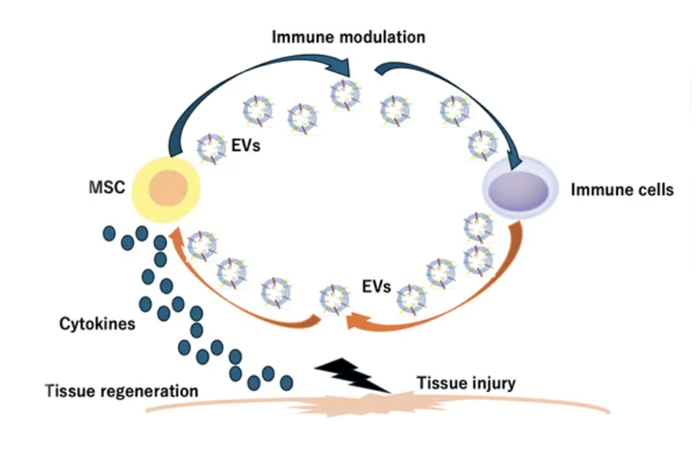
Figure 1: Stem cell-derived EVs are innovative approaches in targeted drug delivery and tissue repair. These EVs play a crucial role in intracellular communication, aiding in tissue regeneration.

Stem cell-derived EVs, in particular, have gained attention for their ability to influence immune responses and target specific tissues, positioning them as potential game-changers in drug delivery. Their low immunogenicity and strong therapeutic potential make them suitable candidates for treating diseases involving inflammation, tissue damage, and aging. As MSCs continue to be engineered for enhanced drug delivery, their ability to maintain intrinsic properties like self-renewal and differentiation capabilities plays a critical role in improving therapeutic outcomes.

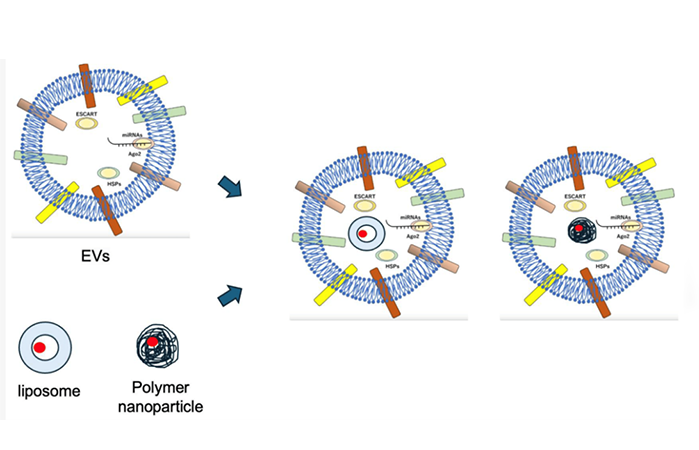
Figure 2: By combining synthetic nanoparticles with stem cell membranes, these nanomaterials exhibit enhanced targeted delivery and reduced immunogenicity.

MSCs in Regenerative Medicine

The regenerative potential of MSCs remains one of their most exciting features. Researchers have made notable strides in tissue repair and regeneration, especially in areas where conventional treatments fall short. Stem cell-laden scaffolds and scaffold-free stem cell sheets represent cutting-edge methods for creating functional tissue constructs, which could transform the future of regenerative medicine. These innovations are already showing promise in a range of applications, from cartilage repair in osteoarthritis to heart tissue regeneration following a myocardial infarction.

MSC therapy’s versatility is further demonstrated by its potential in treating a wide array of conditions, including cardiovascular diseases, neurodegenerative disorders, and chronic inflammatory diseases. By secreting bioactive factors, MSCs can promote tissue healing and modulate immune responses, offering hope for patients with conditions where conventional therapies are limited or ineffective.

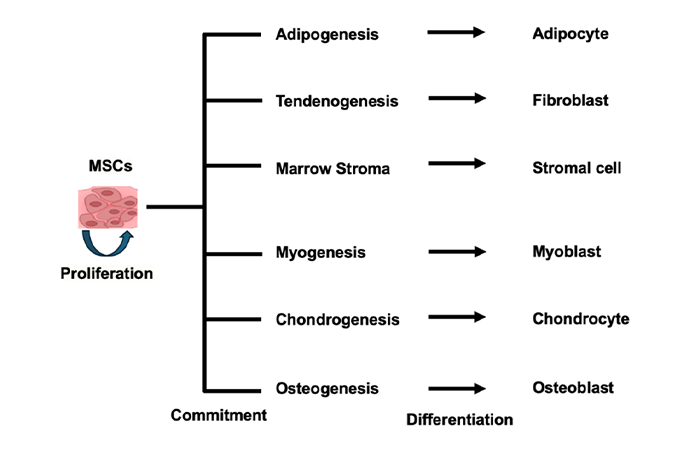
Figure 3: The multipotency allows MSCs to differentiate into different mesenchymal tissues.

Overcoming Challenges in MSC Therapy

One of the key challenges in MSC therapy has been the aging of MSCs, which can lose their regenerative capabilities over time. Recent breakthroughs in rejuvenating senescent MSCs have shown promise. Researchers are experimenting with gene manipulation techniques, such as overexpressing Sirtuin (SIRT) genes, which are associated with longevity and cellular health. Additionally, optimizing culture conditions to prevent MSC senescence is crucial to ensuring their sustained efficacy in clinical applications.

Another significant hurdle has been the scalability of MSC therapies. Mass-producing MSCs remains a major bottleneck, but recent innovations, including the creation of biotechnology companies focused on large-scale MSC production, are making these therapies more accessible and cost-effective. These developments are expected to pave the way for the widespread clinical application of MSC-based treatments.

The Future of MSC Research and Clinical Applications

As the body of research on MSCs continues to grow, their clinical applications are expanding rapidly. MSCs’ anti-inflammatory properties have proven effective in modulating immune responses, which is particularly beneficial for patients with chronic diseases such as diabetes, cardiovascular disease, and neurodegenerative disorders. Moreover, the ability of MSCs to repair damaged tissues, slow aging processes, and promote overall health rejuvenation holds significant promise for enhancing both lifespan and healthspan.

2024 has been a year of tremendous progress for MSC research, with innovations poised to improve the way we treat a variety of chronic and age-related diseases. While challenges remain, such as determining the optimal treatment protocols and identifying the most suitable patient populations, the future of MSC-based therapies looks increasingly promising.

Conclusion

Mesenchymal stem cells (MSCs) are at the forefront of regenerative medicine, offering a broad range of therapeutic applications, from tissue regeneration and immune modulation to drug delivery. With continued advancements in MSC technology, we can expect significant progress in both clinical and industrial settings. In 2024, researchers have laid the groundwork for future breakthroughs that could transform the treatment landscape for a variety of diseases, potentially reshaping the future of healthcare.

Unlock the Secrets of Youth with Stem Cells

How Stem Cells Can Help Reverse Aging

Stem cells are like the body’s repair toolkit. They can regenerate, repair, and rejuvenate tissues, tackling the root causes of aging. Here’s how:

  1. Regeneration of Cells: Stem cells can differentiate into various cell types, replacing damaged or aged cells, thereby revitalizing tissues and organs.
  2. Anti-inflammatory Properties: Chronic inflammation accelerates aging. Stem cells possess anti-inflammatory capabilities, reducing inflammation and promoting healing.
  3. Cellular Enhancement: Healthy stem cells boost the performance of existing cells, potentially reversing some signs of aging and restoring vitality.
  4. DNA Repair: By indirectly repairing damaged DNA, stem cells can increase cellular health and longevity.

Accessing Stem Cells for Anti-Aging Therapy

There are several ways to access stem cells for anti-aging purposes:

  • Mesenchymal Stem Cells (MSCs): Found in umbilical cords and fat tissue, these cells are highly versatile.
  • Fat Extraction: If you don’t have stored stem cells, a minimally invasive fat extraction process can provide stem cells for storage or immediate use.

For families planning ahead, stem cell banking is an excellent option. Preserving stem cells at birth ensures a ready supply for future health needs.

The Benefits of Stem Cell Banking

You can safeguard your family’s health for many years to come with stem cell banking. You can guarantee future access to cutting-edge medical treatments that could address aging and other health issues by preserving your child’s mesenchymal stem cells.

Take Charge of Aging with Stem Cells

Stem cell therapy is a game-changer in the fight against aging, offering regenerative solutions that promote long-term health and vitality. If you’re ready to explore stem cell banking or anti-aging treatments, consult your healthcare provider to learn more about the process and benefits.

Contact CryoSave today for more information on stem cell banking and how it can shape your family’s future health.

Skin Cancer and the Promise of Stem Cell Therapy

How Adult Stem Cells Work in Skin Cancer Treatment

Adult stem cells are unique because they can regenerate damaged tissues and support targeted cancer therapies. Here’s how they contribute:

  • Wound Healing and Tissue Repair: Skin cancer surgeries or radiation can leave significant damage. Adult stem cells, such as dermal and mesenchymal stem cells (MSCs), help regenerate skin, promoting faster recovery. By accelerating wound healing, these cells play a crucial role in enhancing the quality of life for patients.
  • Personalized Stem Cell Therapy: Using a patient’s own cells minimizes immune rejection, making therapies more effective. This can be particularly valuable for melanoma patients who often experience extensive skin damage due to aggressive treatments.
  • Targeted Drug Delivery: MSCs can act as drug carriers, delivering chemotherapy, immune modulators, or gene therapy directly to tumour sites. This targeted approach not only reduces side effects but also enhances treatment efficacy. Such strategies are especially promising for melanoma, a cancer known for its potential to spread to distant organs.

Innovations Driving Stem Cell Therapy

Advances in technology are unlocking new ways to use stem cells in skin cancer treatment:

  • CRISPR Gene Editing: Scientists are exploring how to modify stem cells to suppress cancer growth or enhance immune responses. With precise genetic edits, stem cells can be equipped to deliver therapeutic molecules directly to tumours.
  • 3D Bioprinting: By combining stem cells with biocompatible materials, researchers can create functional skin grafts to repair extensive damage from cancer treatments. These bioengineered tissues mimic natural skin, offering both cosmetic and functional benefits for patients.
  • Nanotechnology: Nanoparticles combined with stem cells improve drug delivery, targeting tumours with precision. This innovative combination ensures that therapeutic agents are delivered efficiently, minimizing harm to healthy tissues.
  • Exosome-Based Therapies: Exosomes, tiny vesicles secreted by stem cells, are being studied for their ability to transfer proteins and genetic material that promote immune regulation and suppress tumour growth. MSC-derived exosomes may soon become a powerful tool in managing skin cancers.

A Brighter Future for Skin Cancer Treatment

Stem cell research is rapidly advancing, with numerous clinical trials testing their safety and effectiveness. From tissue regeneration to targeted therapies, the possibilities are endless. The integration of stem cells into treatment plans could revolutionize how we manage skin cancer, offering patients renewed hope and improved quality of life. Innovations in gene editing, bioprinting, and nanotechnology are paving the way for safer and more personalized therapies.

Stay Safe and Informed

Protect yourself from harmful UV rays this summer by wearing sunscreen, seeking shade, and avoiding peak sun hours. Prevention is the best defense against skin cancer. To learn more about the groundbreaking potential of stem cell therapy and how CryoSave can help preserve your stem cells for future use, contact us today. Together, we can work towards a healthier and safer tomorrow.


References

The Impact of Ageing on Fat Tissue

The Role of Fat Tissue

Healthy fat tissue plays a key role in maintaining balance within the body. It supports immune function, aids in tissue repair, and regulates energy levels. However, ageing diminishes the ability of fat tissue to function optimally. Cells responsible for repairing and maintaining fat tissue lose efficiency, leading to slower regeneration and healing of tissue as well as greater wear and tear of tissue, increasing the risk of chronic health issues.

The Ageing Process and Fat Cells

Several interconnected processes contribute to the decline in fat tissue function as people age:

  • Chronic low-level inflammation: Persistent inflammation, even in the absence of infection, gradually harms tissue.
  • Cellular damage: Accumulated damage to DNA and reduced energy production affect how cells perform.
  • Decline in stem cell activity: These specialized cells, which are essential for repairing and regenerating fat tissue, become less effective.
  • Accumulation of old cells: A build-up of worn-out cells disrupts normal tissue function.


These factors collectively reduce the ability of fat tissue to support the body’s needs, contributing to the development of age-related health issues.

Steps to Support Healthy Ageing

Research continues to explore methods for preserving fat tissue function during the ageing process. Reducing inflammation, supporting cell health, and enhancing the activity of regenerative cells are potential strategies for improving outcomes. While solutions are still under development, maintaining a balanced diet, engaging in regular physical activity, and managing stress can help promote healthier fat tissue function over time.

By recognizing the changes in fat tissue associated with ageing, individuals can take proactive steps to support long-term health and well-being.

Stem Cell Therapy for Arthritis

How Does Stem Cell Therapy Work for Arthritis?

Stem cell therapy typically involves injecting MSCs directly into the affected joint. Once in the joint, the cells work to repair damaged tissue and reduce inflammation. This can lead to significant improvements in pain, mobility, and overall quality of life for arthritis patients.

Stem Cell Therapy for Osteoarthritis

Osteoarthritis, a degenerative joint disease, is characterized by the breakdown of cartilage. Stem cell therapy can help slow down this process and alleviate pain by:

  • Stimulating Cartilage Repair: MSCs can differentiate into cartilage cells, helping to rebuild damaged tissue.
  • Reducing Inflammation: These cells can reduce inflammation in the joint, leading to decreased pain and improved function.

Stem Cell Therapy for Rheumatoid Arthriti

Rheumatoid arthritis is an autoimmune disease that causes chronic inflammation in the joints. Stem cell therapy can help manage this condition by:

  • Modulating the Immune System: MSCs can suppress the overactive immune response, reducing inflammation and joint damage.
  • Alleviating Pain and Stiffness: By reducing inflammation, stem cell therapy can alleviate pain and improve joint mobility.

The Future of Stem Cell Therapy

While stem cell therapy is a promising treatment for arthritis, more research is needed to fully understand its long-term effects. However, early clinical trials have shown promising results, and the future of this innovative therapy looks bright. As research continues to advance, stem cell therapy may offer a revolutionary approach to treating arthritis and other degenerative diseases.

If you or your child are at risk or there are any concerns about future diagnosis, it’s important to consult with a healthcare provider to discuss the potential benefits of storing your child’s stem cells at birth and the potential of stem cell therapy in future.

Mesenchymal Stem Cells

Sources of Adult MSCs

MSCs can be sourced from different tissues in the body, each with its own advantages:

  • Bone Marrow: Bone marrow-derived MSCs are the most well-studied and have been used in numerous clinical trials.
  • Adipose Tissue: Adipose-derived MSCs are readily available and can be harvested through minimally invasive procedures.
  • Umbilical Cord and Placenta: These sources provide a rich supply of MSCs with low immunogenicity, making them ideal for allogeneic transplantation.
  • Dental Pulp: Dental pulp-derived MSCs offer a promising source for regenerative dentistry and other applications.

The Power of MSCs

MSCs possess several key properties that contribute to their therapeutic potential:

  • Immunomodulation: MSCs can regulate the immune system, reducing inflammation and preventing excessive immune responses.
  • Secretion of Growth Factors: These cells release growth factors that promote tissue repair and regeneration.
  • Low Immunogenicity: MSCs have a low risk of triggering immune rejection, making them suitable for allogeneic transplantation.

Therapeutic Applications of MSCs

The potential applications of MSCs are vast and continue to expand:

  • Musculoskeletal Disorders: MSCs can treat conditions like osteoarthritis and cartilage injuries by promoting tissue repair and reducing inflammation.
  • Cardiovascular Diseases: MSCs can help repair damaged heart tissue and improve heart function.
  • Autoimmune Diseases: These cells can modulate the immune system to alleviate symptoms of autoimmune disorders like rheumatoid arthritis and lupus.
  • Neurological Disorders: MSCs show promise in treating spinal cord injuries, stroke, and neurodegenerative diseases.
  • Diabetes: MSCs may help protect and repair insulin-producing cells in the pancreas.
  • Liver Diseases: These cells can aid in liver tissue repair and regeneration.
  • Lung Diseases: MSCs can reduce lung inflammation and promote tissue repair in conditions like COPD and pulmonary fibrosis.

The Future of MSC Therapy

While MSC therapy holds great promise, several challenges remain, including variability in cell quality, safety concerns, and optimizing delivery methods. Ongoing research aims to address these challenges and unlock the full potential of MSCs.

As scientists continue to explore the possibilities of MSC therapy, we can anticipate exciting advancements in the treatment of various diseases. MSCs have the potential to revolutionize medicine and offer hope for patients with conditions that were once considered untreatable.

Stem Cell Therapy

What are Mesenchymal Stem Cells?

Mesenchymal stem cells are multipotent cells found in various tissues, including bone marrow, adipose tissue, and umbilical cord tissue. They have unique properties that make them ideal for treating eye diseases:

  • Immunomodulation: MSCs can reduce inflammation and regulate immune responses, which can help protect the eye from further damage.
  • Paracrine Effects: MSCs release growth factors and other beneficial substances that promote cell survival, reduce cell death, and stimulate tissue repair.
  • Angiogenesis: MSCs can promote the formation of new blood vessels, which is important for restoring blood flow to damaged tissues.
  • Low Immunogenicity: MSCs are less likely to trigger an immune response, making them suitable for transplantation from one person to another.

How Do MSCs Work in the Eye?

MSCs work through several mechanisms to promote healing and regeneration in the eye:

  • Paracrine Signaling: MSCs release growth factors like brain-derived neurotrophic factor (BDNF) and nerve growth factor (NGF) to support the survival and function of retinal cells.
  • Anti-Apoptotic Effects: MSCs can protect cells from death by inhibiting apoptosis.
  • Immune Modulation: MSCs can reduce inflammation and regulate immune responses to prevent further damage to the eye.

Applications of MSC Therapy in Eye Diseases

MSC therapy has shown promise in treating a variety of eye diseases:

  • Age-Related Macular Degeneration (AMD): MSCs can help protect retinal cells from damage and may slow the progression of AMD.
  • Glaucoma: MSCs can protect optic nerve cells from damage and may improve vision in people with glaucoma.
  • Diabetic Retinopathy: MSCs can promote blood vessel growth and reduce inflammation in the retina.
  • Corneal Diseases and Injuries: MSCs can accelerate corneal healing and reduce scarring.

Current Research and Clinical Trials

Numerous clinical trials are investigating the safety and efficacy of MSC therapy for eye diseases. While promising results have been observed, more research is needed to fully understand the potential of this therapy.

Challenges and Future Directions

Despite the promise of MSC therapy, several challenges remain, including:

  • Standardization of cell preparation: Ensuring consistent quality and potency of MSCs is crucial.
  • Safety: Long-term safety studies are needed to identify potential side effects.
  • Optimal delivery methods: Developing effective ways to deliver MSCs to the eye is essential.

As research advances, MSC therapy may revolutionize the treatment of eye diseases and offer hope to millions of people worldwide.

If you or your child are at risk or there are any concerns about future eye disease diagnosis, it’s important to consult with a healthcare provider to discuss the potential benefits of storing your child’s stem cells at birth and the potential of stem cell therapy in future.

Stem Cell Therapy

Umbilical Cord Stem Cells: A Powerful Tool

One particular type of stem cell, derived from umbilical cords, has shown immense potential in diabetes research. These cells are easily obtainable, ethically sourced, and possess potent regenerative capabilities.

How Do Stem Cells Work in Diabetes Treatment?

Stem cell therapy for diabetes works through several mechanisms:

  • Repairing Damaged Cells: Stem cells can repair damaged cells in the pancreas, the organ responsible for insulin production.
  • Boosting Insulin Production: They can stimulate the growth of new insulin-producing cells, helping to regulate blood sugar levels.
  • Reducing Inflammation: Stem cells can reduce inflammation in the body, which plays a significant role in diabetes complications.

The Future of Diabetes Treatment

While stem cell therapy is still in its early stages, it offers hope for a future where diabetes can be effectively managed or even cured. Ongoing research is exploring the optimal way to use stem cells to treat diabetes and minimize side effects.

Key Benefits of Stem Cell Therapy for Diabetes:

  1. Potential Future: One such method being researched uses stem cells to create the insulin-producing islets in the pancreas. While stem cell therapy has yet to cure type 1 diabetes, there are documented cases where patients have gone years without needing insulin injections.
  2. Improved Blood Sugar Control: It can help regulate blood sugar levels, reducing the need for medications.
  3. Reduced Risk of Complications: By addressing the root causes of diabetes, stem cell therapy may lower the risk of complications like heart disease, kidney disease, and nerve damage.

Important Considerations

While stem cell therapy holds great promise, it’s important to note that it’s still an emerging field. It’s crucial to consult with a healthcare professional to discuss the potential benefits and risks associated with this treatment.

The Road Ahead

As research continues to advance, we can anticipate significant breakthroughs in stem cell therapy for diabetes. This innovative approach may revolutionize the way we treat and manage this chronic condition, offering hope to millions of people worldwide.

If you or your child are at risk or there are any concerns about future diabetes diagnosis, it’s important to consult with a healthcare provider to discuss the potential benefits of storing your child’s stem cells at birth and the potential of stem cell therapy in future.