Legal

© CryoSave South Africa (Pty) Ltd
All rights reserved

Mesenchymal Stem Cells in Diabetes Treatment

Why Mesenchymal Stem Cells?

MSCs are multipotent stem cells that can differentiate into a variety of cell types, including osteoblasts, chondrocytes, and adipocytes. While they are not naturally predisposed to differentiate into insulin-producing cells, MSCs exert strong immunomodulatory and anti-inflammatory effects, which can help alleviate autoimmune responses in T1D and inflammatory damage in T2D. Additionally, MSCs produce a variety of growth factors and cytokines that enhance tissue repair and support cellular regeneration.

Due to their ability to suppress immune responses, MSCs offer the potential to protect surviving pancreatic beta cells from further autoimmune attacks in T1D. In T2D, MSCs can improve insulin sensitivity, support metabolic regulation, and reduce systemic inflammation. These properties make MSCs a versatile candidate for both types of diabetes.

Umbilical Cord Tissue MSCs: Unique Advantages

Among the different sources of MSCs, umbilical cord tissue-derived MSCs (UC-MSCs) offer unique advantages. UC-MSCs are collected non-invasively from umbilical cords, a readily available and ethically favorable source. Additionally, they have stronger proliferation capabilities compared to MSCs derived from adult tissues, such as bone marrow or adipose tissue, making them more feasible for therapeutic applications.

UC-MSCs also possess a lower risk of immune rejection and are highly effective in modulating immune responses, a critical factor in addressing T1D. Their inherent immunoprivileged status and ability to secrete factors that dampen inflammatory pathways make them particularly suitable for allogeneic (non-self) transplants, potentially allowing for “off-the-shelf” therapy options.

Mechanisms of Action: How UC-MSCs Work in Diabetes

The therapeutic effects of UC-MSCs in diabetes are attributed to several mechanisms:

  1. Immunomodulation: UC-MSCs release a variety of cytokines and growth factors that reduce the autoimmune destruction of beta cells in T1D. By modulating T-cell and B-cell activity, UC-MSCs help protect beta cells from further immune-mediated damage, thus preserving any remaining insulin production capacity.
  2. Anti-inflammatory Effects: Chronic inflammation is a hallmark of both T1D and T2D. UC-MSCs release anti-inflammatory cytokines such as IL-10, TGF-beta, and prostaglandin E2 (PGE2), reducing systemic inflammation and the local inflammatory environment in pancreatic islets. This anti-inflammatory activity can enhance insulin sensitivity and support metabolic homeostasis in T2D.
  3. Paracrine Support for Tissue Repair: MSCs secrete a variety of trophic factors that support tissue regeneration and repair. In the case of diabetes, UC-MSCs can help create a more favorable pancreatic microenvironment, potentially promoting beta-cell repair and even encouraging the proliferation of residual beta cells in some cases.
  4. Promotion of Insulin Sensitivity: In T2D, insulin resistance is a significant obstacle to effective glucose management. UC-MSCs have shown potential to improve insulin sensitivity, possibly by modulating adipose and muscle tissue responses to insulin, which can help reduce hyperglycemia and improve metabolic control.

Current Research and Clinical Trials

Over recent years, research on UC-MSCs for diabetes treatment has accelerated, with promising results emerging from both preclinical and clinical studies. Preclinical studies in animal models have demonstrated that UC-MSCs can reduce blood glucose levels, improve insulin sensitivity, and mitigate diabetic complications. Early-phase clinical trials have explored UC-MSC transplantation in T1D patients and shown potential for preserving beta-cell function, reducing insulin requirements, and improving glycemic control.

A recent clinical trial conducted in patients with newly diagnosed T1D reported that UC-MSCs, when administered intravenously, helped lower patients’ insulin doses and achieve better HbA1c levels compared to control groups. This suggests that UC-MSC therapy could have both immediate and long-term benefits in T1D management, though larger studies are required to confirm these findings and determine optimal dosing protocols.

In T2D, UC-MSCs are being investigated for their ability to enhance insulin sensitivity and manage hyperglycemia without intensive insulin therapy. Some studies indicate that UC-MSCs, through anti-inflammatory and metabolic pathways, may help reverse insulin resistance and reduce dependence on medication in T2D patients.

Challenges and Future Directions

Despite these encouraging advances, several challenges remain before UC-MSC therapy becomes a mainstream diabetes treatment. Ensuring the safety, scalability, and reproducibility of UC-MSC treatments is critical. Optimal dosing, cell delivery methods, and long-term effects are still areas requiring extensive study. Additionally, due to the variability in MSC populations, standardizing protocols for UC-MSC preparation and administration is essential to achieve consistent therapeutic outcomes.

Future research will likely focus on combining UC-MSC therapy with other diabetes treatments, such as immunotherapy or beta-cell encapsulation techniques, to enhance effectiveness. Advances in gene editing and bioengineering may further refine UC-MSCs, enhancing their potential to differentiate into insulin-producing cells or improve their immunomodulatory properties.

Conclusion

UC-MSC therapy represents a promising frontier in diabetes research, offering new avenues for treating both T1D and T2D beyond symptom management. By targeting the root mechanisms of the disease—immune attack on beta cells in T1D and inflammation-driven insulin resistance in T2D—UC-MSCs hold potential for transformative change in diabetes care. While further research is necessary to establish the safety, efficacy, and long-term benefits of UC-MSC therapy, the growing body of evidence suggests that umbilical cord-derived MSCs may one day play a crucial role in diabetes treatment, potentially alleviating insulin dependence and improving quality of life for millions of individuals with diabetes.

Stem Cell Therapy in Stroke Victims

Stem Cell Therapy in Stroke

Stem cell therapy is an evolving field in stroke treatment, aiming to harness the regenerative potential of various stem cells to repair damaged brain tissue, enhance neuroplasticity, and reduce inflammation. Several types of stem cells have been studied in this context, including:

  • Embryonic stem cells (ESCs): Pluripotent cells capable of differentiating into any cell type, including neural cells.
  • Induced pluripotent stem cells (iPSCs): Adult cells reprogrammed to an embryonic-like state, with the ability to differentiate into neural tissues.
  • Neural stem cells (NSCs): Multipotent cells from the central nervous system, which can give rise to neurons, astrocytes, and oligodendrocytes.
  • Mesenchymal stem cells (MSCs): Found in bone marrow, adipose tissue, and cord blood, MSCs have immunomodulatory properties and the potential to promote neuroregeneration.

Among these, MSCs, including those derived from cord tissue, have gained significant attention due to their ease of isolation, immune-privileged status, and relatively low ethical concerns compared to ESCs.

Cord Tissue-Derived Stem Cells in Stroke Therapy

Cord tissue-derived stem cells, particularly MSCs derived from Wharton’s jelly (a gelatinous substance within the umbilical cord), have shown great promise in stroke therapy. These cells offer several advantages:

  • Immunomodulation and Anti-inflammatory Effects: Stroke-induced inflammation is a significant contributor to brain injury. Cord tissue MSCs possess strong immunomodulatory effects, reducing pro-inflammatory cytokines like IL-6 and TNF-α while enhancing anti-inflammatory cytokines like IL-10. This effect helps protect the brain from further damage during the acute phase of stroke.
  • Neuroprotection and Regeneration: Cord tissue MSCs secrete neurotrophic factors such as brain-derived neurotrophic factor (BDNF), vascular endothelial growth factor (VEGF), and glial cell-derived neurotrophic factor (GDNF), which support the survival and growth of neurons, promote angiogenesis, and enhance neuroplasticity. This could lead to improved functional recovery by repairing damaged neural networks and promoting synaptic connectivity.
  • Reduction of Infarct Size: Animal studies have shown that administering cord tissue MSCs after a stroke can significantly reduce the size of the infarct (area of dead tissue), leading to better motor and cognitive outcomes. This is likely due to a combination of enhanced neuroprotection, reduced inflammation, and promotion of endogenous repair mechanisms.
  • Promotion of Angiogenesis: Cord tissue MSCs have been shown to promote the formation of new blood vessels (angiogenesis), which is critical in re-establishing blood supply to ischemic regions of the brain. The upregulation of VEGF plays a key role in this process.
  • Low Immunogenicity: MSCs from cord tissue are considered immune-privileged, meaning they are less likely to trigger an immune response, even in allogeneic (donor-derived) transplantation. This characteristic makes them an attractive candidate for clinical use without the need for extensive immunosuppression.

Mechanisms of Action

The beneficial effects of cord tissue-derived MSCs in stroke are believed to be mediated through a variety of mechanisms:

  • Paracrine Signaling: Rather than direct differentiation into neural cells, the primary mechanism of cord tissue MSCs appears to be through the secretion of bioactive molecules that modulate the local environment, promote endogenous repair, and reduce apoptosis in neurons.
  • Reduction of Oxidative Stress: MSCs can mitigate oxidative stress, which is a major contributor to cell death in ischemic stroke, by scavenging free radicals and upregulating antioxidant enzymes like superoxide dismutase (SOD).
  • Stimulation of Endogenous Repair: By secreting growth factors and cytokines, cord tissue MSCs may also stimulate the brain’s resident neural stem cells to proliferate and differentiate, further contributing to the repair of damaged tissues.

Clinical Studies and Challenges

Several preclinical studies in animal models of stroke have demonstrated the efficacy of cord tissue-derived MSCs, showing significant improvement in motor function, cognitive recovery, and histological outcomes. Early-phase clinical trials have shown that MSC therapy is safe and feasible in human stroke patients, but the long-term efficacy and optimal dosing regimens are still under investigation.

Key challenges in the clinical translation of cord tissue MSCs for stroke therapy include:

  • Delivery Methods: Intravenous administration of MSCs has been the most common route, but targeting the injured brain tissue remains difficult. Intracerebral or intrathecal (into the spinal fluid) delivery methods are being explored to improve the precision of cell delivery.
  • Standardization of Cell Preparations: There is variability in the quality and potency of MSCs depending on the isolation and expansion methods used. Developing standardized protocols is crucial for reproducibility and regulatory approval.
  • Timing of Administration: The timing of stem cell administration post-stroke appears to be critical, with early intervention (within days of stroke onset) generally showing better outcomes. However, the therapeutic window and ideal treatment timing need further clarification.

Conclusion

Cord tissue-derived stem cells offer a promising and potentially transformative approach to stroke therapy. Their immunomodulatory, neuroprotective, and angiogenic properties make them particularly suited for promoting brain repair in the aftermath of stroke. While preclinical studies have shown encouraging results, further clinical trials are necessary to establish their safety, efficacy, and optimal treatment protocols in human stroke patients. As our understanding of stem cell biology and regenerative mechanisms continues to grow, cord tissue stem cells may become a cornerstone in the management of stroke and other neurodegenerative conditions.

Advantages of Adipose-Derived Stem Cells Over Bone Marrow-Derived Mesenchymal Stem Cells for Wellness and Longevity

  • Higher Cell Yield: Adipose tissue contains a higher density of stem cells compared to bone marrow. Approximately 1 gram of adipose tissue yields between 100 to 1,000 times more MSCs than 1 gram of bone marrow. This makes ADSCs a more accessible and efficient source for stem cell therapies.
  • Minimally Invasive Procedure: Harvesting adipose tissue through liposuction is a relatively simple, minimally invasive, and safe procedure. In contrast, bone marrow aspiration is more invasive, painful, and carries a higher risk of complications. This ease of harvesting makes ADSCs particularly appealing for repeated treatments in wellness and longevity programs.

2. Greater Potential for Regenerative Medicine

ADSCs demonstrate a strong potential for regenerative applications, with several advantages that make them particularly suitable for wellness and longevity treatments:

  • Superior Proliferation Capacity: Studies suggest that ADSCs have a higher proliferation rate than BM-MSCs. This means they can expand more rapidly in culture, providing a larger number of cells for therapeutic purposes in a shorter amount of time. This is especially beneficial in anti-aging and tissue rejuvenation therapies, where high cell counts may enhance outcomes.
  • Longevity of Cell Potency: While BM-MSCs show signs of cellular senescence (aging) more quickly in culture, ADSCs tend to maintain their stemness and functional characteristics for longer periods. This trait makes ADSCs more suitable for long-term applications in promoting tissue regeneration and combating age-related degeneration.

3. Superior Immunomodulatory Properties

The immune system plays a key role in the aging process, and the ability to modulate immune responses is crucial in wellness and longevity therapies. ADSCs possess strong immunomodulatory properties that make them effective for managing inflammation, which is often linked to age-related diseases and tissue degeneration:

  • Reduced Inflammatory Profile: ADSCs secrete a variety of anti-inflammatory cytokines that help reduce chronic inflammation, which is a hallmark of aging (often referred to as “inflammaging”). This anti-inflammatory effect is crucial for promoting tissue repair and preventing the onset of age-related diseases.
  • Stronger Immunosuppression: ADSCs may have a more potent immunosuppressive effect compared to BM-MSCs, which is beneficial in reducing overactive immune responses associated with aging, autoimmune disorders, and chronic inflammatory conditions.

4. Greater Paracrine Effects for Tissue Repair and Longevity

A large part of the therapeutic effects of MSCs is believed to stem from their secretion of bioactive molecules, a process known as paracrine signaling. These molecules promote tissue repair, regeneration, and protection. ADSCs are known for their potent paracrine effects:

  • Enhanced Secretion of Growth Factors: ADSCs secrete a higher level of growth factors, such as vascular endothelial growth factor (VEGF), insulin-like growth factor (IGF), and hepatocyte growth factor (HGF). These factors support angiogenesis, wound healing, and tissue regeneration, which are essential for combating aging and promoting overall wellness.
  • Exosome Production: ADSCs are also known to produce more exosomes than BM-MSCs. Exosomes are small vesicles that carry proteins, lipids, and nucleic acids, which help mediate cell communication and promote repair mechanisms. This gives ADSCs an edge in promoting tissue regeneration, enhancing skin vitality, and improving organ function—all critical aspects of wellness and longevity.

5. Lower Risk of Immune Rejection and Allogenic Use

ADSCs exhibit immune-privileged properties, making them less likely to provoke an immune response when transplanted, even when derived from an allogenic (donor) source:

  • Less Immunogenic: ADSCs are less likely to be recognized and attacked by the recipient’s immune system compared to BM-MSCs, which could lead to better integration and longer-lasting therapeutic effects. This feature is particularly useful in wellness programs where repeated or allogenic stem cell infusions may be required.
  • Safer Allogenic Use: Given the lower risk of immune rejection, ADSCs may be more suitable for use in allogenic settings, where cells from a healthy donor can be used to treat another individual. This opens up opportunities for standardized cell banking and off-the-shelf therapies.

6. Applications in Anti-Aging and Longevity

ADSCs are already being used in various clinical and aesthetic applications aimed at promoting wellness and longevity. Some key areas where ADSCs demonstrate superior potential include:

  • Skin Rejuvenation and Anti-Aging: ADSCs are widely used in cosmetic and dermatological treatments for skin rejuvenation. They enhance collagen production, improve skin elasticity, and reduce wrinkles by promoting dermal regeneration. These effects are important in reversing the visible signs of aging.
  • Orthopedic and Joint Health: ADSCs are being used to treat age-related degenerative conditions such as osteoarthritis. Their ability to repair cartilage and reduce inflammation has made them a popular choice in regenerative orthopedic treatments.
  • Metabolic Health: ADSCs have been shown to improve insulin sensitivity and metabolic function. Given the close relationship between metabolism, aging, and overall wellness, this represents a promising avenue for enhancing longevity.

7. Cost-Effectiveness and Practicality

From a practical standpoint, ADSCs offer a more cost-effective and scalable option for stem cell therapies:

  • Lower Cost of Harvesting and Expansion: The ease of harvesting and the high yield of ADSCs make the process more cost-effective compared to bone marrow aspiration. This is particularly beneficial in wellness and anti-aging settings where multiple treatments may be necessary.
  • Scalability for Commercial Use: Given the abundance of ADSCs and the relatively simple harvesting process, they are more easily scaled for commercial use in wellness clinics and anti-aging therapies.

Conclusion

Adipose-derived stem cells (ADSCs) hold several key advantages over bone marrow-derived mesenchymal stem cells (BM-MSCs) in the context of wellness and longevity. Their ease of harvesting, higher cell yield, superior proliferation capacity, stronger immunomodulatory properties, and robust paracrine effects make them particularly suitable for regenerative applications aimed at enhancing quality of life and promoting healthy aging. With increasing research and clinical applications, ADSCs are poised to play a central role in the future of anti-aging and wellness therapies, offering a powerful tool for those seeking to maintain vitality and longevity.

Stem Cell Therapy for Muscular Dystrophies

1. Gene Editing and Stem Cell Therapy

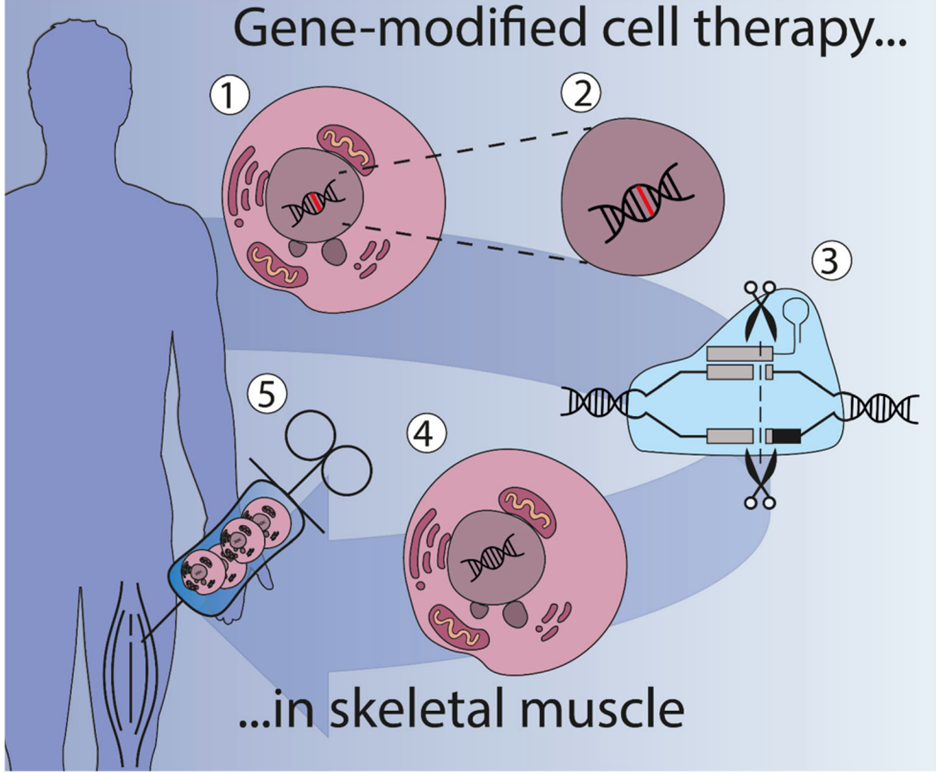
  • CRISPR-Cas9: The use of CRISPR-Cas9 gene editing in combination with stem cells is a significant breakthrough in MD research. Scientists are exploring how to correct the genetic mutations that cause muscular dystrophy directly in muscle stem cells (satellite cells). For instance, in DMD, CRISPR has been used to excise faulty exons in the dystrophin gene, restoring functional dystrophin protein in muscle cells.
  • Exon Skipping: Researchers are developing stem cell therapies that involve exon skipping, where CRISPR or antisense oligonucleotides are used to skip over faulty exons in the dystrophin gene during the creation of muscle cells from stem cells. This can produce a truncated but functional dystrophin protein, which significantly slows disease progression.
Fig. 1 Ex vivo gene therapy in cells bridges cell and gene therapy. Cell therapy is the administration of cells into a patient with the goal of treating or curing a disease. One approach is gene-modified cell therapy, which is based on the isolation of cells from the patient (1) (autotransplantation), after which the mutated gene (in red) can be corrected (2) or a correct version can be introduced. Gene-editing technology like CRISPR/Cas9 is able to repair genes in the cell with high precision (3). Correctly edited cells (4) are then administered to the patient (5). There are no approved gene-editing treatments available in the clinic yet, but several are currently being researched in clinical trials (2)

2. Stem Cell Transplantation

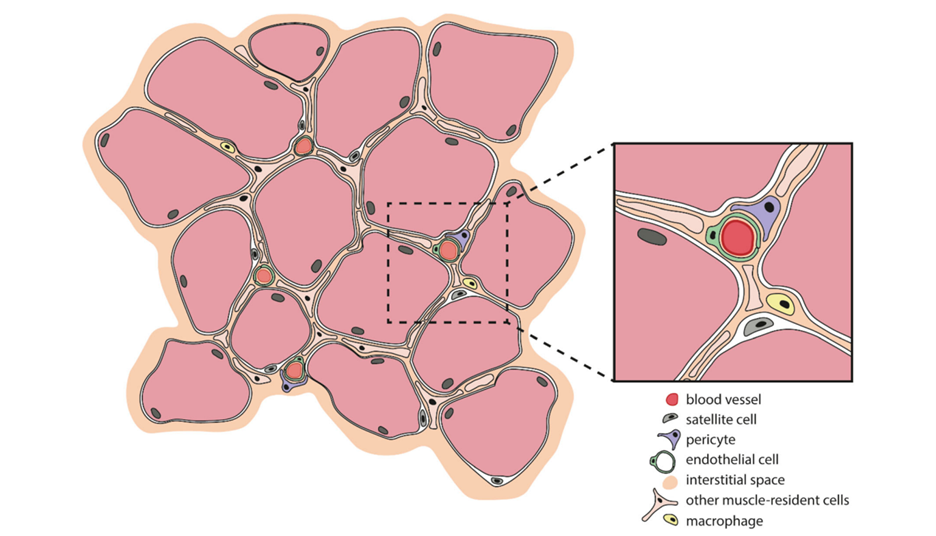
    • Satellite Cells: Satellite cells are the resident stem cells in muscles responsible for repair and regeneration. Advances have been made in isolating and expanding satellite cells from healthy donors or correcting these cells in DMD patients, followed by transplantation into affected muscles to promote repair and improve muscle function.
    • Mesenchymal Stem Cells (MSCs): MSCs, which have the ability to differentiate into various cell types, are being investigated for their potential to treat MD. MSCs can be modified to express dystrophin and transplanted into patients to help regenerate damaged muscle tissue. Additionally, MSCs secrete factors that can modulate inflammation and promote muscle repair.
    Fig. 2 Skeletal muscle-resident cells. Schematic cross section of a healthy skeletal muscle bundle, containing more than a dozen individual muscle fibers (light red; nuclei at the periphery). Satellite cells (grey) are muscle-lineage committed progenitors that are located beneath the basal lamina of the muscle fibers, near the vasculature. In between the fibers are a variety of interstitial cells. Pericytes (purple) are one type and can be found wrapped around blood capillaries (insert). All these muscleresident cell populations contribute to muscle repair and regeneration (2)

    3. Induced Pluripotent Stem Cells (iPSCs)

      • Disease Modeling: iPSCs are derived from a patient’s own cells and reprogrammed to an embryonic-like state. These iPSCs can then be differentiated into muscle cells for research or therapeutic purposes. For MD, iPSCs are used to create patient-specific muscle cells in the lab, which can then be genetically corrected and potentially reintroduced into the patient to replace damaged muscle.
      • Personalized Therapy: iPSC technology allows for personalized treatment approaches where cells from the patient are used to generate muscle cells that are genetically corrected, reducing the risk of immune rejection and improving the effectiveness of the treatment.

      4. Stem Cell-Derived Extracellular Vesicles (EVs)

        • Therapeutic Vesicles: Stem cells release extracellular vesicles, including exosomes, that carry proteins, lipids, and genetic material. These vesicles are being studied for their potential to deliver therapeutic molecules directly to muscle cells, promoting repair and regeneration in MD without the need for direct stem cell transplantation.

        5. Preclinical and Clinical Trials

          • Animal Models: Recent studies in animal models of DMD have shown promising results with stem cell therapies, particularly in restoring dystrophin expression and improving muscle function. These successes in preclinical trials are paving the way for human trials.
          • Ongoing Human Trials: There are several ongoing and planned clinical trials evaluating the safety and efficacy of stem cell-based therapies for muscular dystrophy. These trials are critical in determining how these therapies can be applied in clinical settings and whether they can provide long-term benefits for patients.

          6. Challenges and Future Directions

            • Immune Response and Integration: One of the significant challenges in stem cell therapy for MD is ensuring that the transplanted cells integrate properly into the muscle tissue and do not trigger an immune response. Research is ongoing to improve the engraftment and survival of transplanted cells.
            • Scalability and Delivery: Delivering stem cells or gene-edited cells to all affected muscles in a patient is a considerable challenge due to the widespread nature of muscular dystrophy. Innovative delivery methods, including systemic delivery through the bloodstream, are being explored to address this issue.

            7. Combination Therapies

              • Combining Gene Therapy and Stem Cells: Researchers are investigating the combination of gene therapy techniques with stem cell transplantation to enhance the treatment’s effectiveness. For example, using gene editing to correct mutations in stem cells before transplantation may provide a more durable and effective treatment for MD.

              These advances in stem cell therapy are creating new hope for treating muscular dystrophy, potentially slowing or even reversing the progression of the disease. While there is still a significant amount of research and development needed before these therapies become widely available, the progress being made is encouraging for patients and families affected by MD.

              World-First Trial

              They took cord blood from 38 infants born before 28 weeks gestation. Babies born extremely preterm (<28 weeks) have a high chance of long-term developmental issues, including cerebral palsy, and learning and behavioral issues.

              Of the babies included in the trial, 21 were male and 17 female. Twenty-four (63.1%) were delivered via caesarean section, and 11 (28.9%) were a multiple birth. The average age of the baby in this study was 26 weeks gestation, and the average birth weight was 761.5 grams.

              The researchers were able to collect an average of 19 ml/kg of cord blood from these preterm babies, which is similar to term babies by body weight. The procedure was successful in 72% of cases.

              Under the direction of Professor Atul Malhotra, the trial was carried out at Monash Children’s Hospital in Melbourne, Australia. Dr. Lindsay Zhou won the Cerebral Palsy Alliance Award from the Perinatal Society of Australia and New Zealand (PSANZ) and the Mont Liggins Award from the Perinatal Research Society for his research on cord blood cell treatment.

              World-first cord blood trial helps unborn stroke victims

              When unborn babies suffer a stroke, the potential damage can be life-long, so Hudson Institute of Medical Research is aiming to change that using the stem cells found in umbilical cord blood (UCB).

              By harnessing the stem cells contained in umbilical cord blood (UCB), the Hudson Institute of Medical Research hopes to repair the potentially life-long damage that can result from a stroke in fetuses.

              Using UCB stem cells, researchers from Monash Children’s Hospital, Hudson Institute, and Monash University have started a trial to try to stop the effects of prenatal stroke and give newborns the best chance of living healthy lives.

              Together with industry partner Cell Care, the experiment is made feasible by Hudson Institute’s newly established cell treatments capacity, the first of its kind in Melbourne’s southeast. According to Associate Professor Atul Malhotra, it might transform the game.

              “In this STELLAR trial, stem cells from a baby’s own cord blood are collected at birth and re-introduced to the bloodstream in the early weeks of life, and that type of treatment is only possible thanks to the technology we now have access to here at Hudson Institute.”

              In conclusion, as we reflect on the remarkable strides made in medical science through the use of cord blood, we urge expecting parents to consider the invaluable opportunity of storing their baby’s umbilical cord blood and tissue stem cells at birth. By doing so, not only are they safeguarding the health of their child but also contributing to the advancement of medicine and potentially saving lives. Let’s embrace this empowering choice for the well-being of our loved ones and the greater good of humanity.

              Unveiling the Promise of Stem Cell Therapy for Traumatic Brain Injury

              Although the exact mechanism by which cord blood stem cells accomplish this is unknown, current hypotheses point to a potent combination of characteristics, including growth factors, anti-inflammatory, and circulation-boosting abilities, as potential solutions. It’s thought that they go straight to the brain’s injured regions to enhance blood flow, regenerate blood vessels, reduce inflammation, and encourage the development of new, healthy neural cells to replace the damaged tissue.

              It has been demonstrated that stem cells possess potent anti-inflammatory qualities. The young stem cells have a regulating character on the body through the usage of huge cell quantity transplants. The immuno-effect, which the body is unable to control on its own, can be lessened by them. In particular, MSCs have the ability to prevent the body from overproducing and using T-cells. This impact takes place without endangering the patient’s immune system or making them more susceptible to illness. Following the transplant, the patient’s inflammatory markers significantly decrease, and their immune system returns to normal. There is no need for a second transplant during the years when this anti-inflammatory benefit lasts. For those suffering from autoimmune and degenerative illnesses, this translates into a natural remedy for their symptoms, relief from pain, and an overall improvement in their quality of life. Furthermore, the stem cells will help the body mend more quickly, improving the body’s ability to repair damaged tissue when inflammation is decreased. Because of this, even individuals in good health have resorted to stem cell therapy as a kind of “body maintenance” to control naturally occurring inflammation.

              Researchers in 2010 conducted a study that examined mesenchymal stem cells’ potential for treating traumatic brain injury (TBI) and found that to quote them: “Treatment of TBI with hMSCs (Human Mesenchymal Stem Cells) during the acute phase of injury can enhance the neurological functional outcome, and suggest that increased levels of neurotrophic factors in the injured hemisphere leading to decreased neuronal apoptosis is one mechanism by which functional recovery may occur.”

              Exploring stem cell therapy for traumatic brain injury represents a significant advancement in medical science. The potential of cord blood stem cells offers hope for millions affected by TBI worldwide. Stem cells’ ability to mitigate inflammation, promote tissue repair, and enhance neurological function presents a multifaceted approach to addressing brain injury complexities. Moreover, the benefits extend beyond acute injury, providing long-term relief for patients with autoimmune and degenerative conditions. As expecting parents, you hold the power to safeguard your child’s future health in a remarkable way.

              Consider the extraordinary potential of storing your child’s stem cells. By taking proactive steps now, you can secure a valuable resource that may offer life-changing benefits in the face of unforeseen health challenges down the road. Reach out to us today to learn more about how stem cell storage can pave the way for a healthier tomorrow for your family. Don’t miss this opportunity to invest in your child’s well-being from the very beginning. Contact CryoSave and embark on this journey towards a future of enhanced medical possibilities.

              Eyes on the Future

              At the heart of their pioneering work lies a transformative approach to glaucoma treatment, leveraging the potential of stem cells derived from blood. Through meticulous manipulation of the ocular microenvironment, researchers successfully converted these stem cells into functional retinal ganglion cells (RGCs), crucial for visual function. Encouragingly, their findings, although conducted on the adult mouse retina, hold promise for future translation into human therapies.

              Parallel to this groundbreaking endeavour, researchers at Indiana University School of Medicine unveiled a novel therapeutic target, offering new avenues for glaucoma intervention. Published in Communications Biology, their study illuminates the pivotal role of mitochondria in neuronal function, particularly within the optic nerve cells ravaged by glaucoma. By harnessing induced pluripotent stem cells to restore mitochondrial homeostasis, researchers demonstrated the potential for preserving optic nerve health and mitigating vision loss.

              While these two pioneering trails blaze a trail toward glaucoma therapeutics, additional clinical trials across the United States endeavour to tackle this formidable adversary. Despite varying degrees of success, none have matched the transformative potential exhibited by the research efforts at Schepens Eye Research Institute and Indiana University School of Medicine.

              Looking ahead, the journey toward viable glaucoma treatments remains fraught with challenges and uncertainties. The prospect of RGC replacement therapy, while promising, confronts formidable hurdles on the path to clinical translation. Nevertheless, proponents of continued research advocate for sustained investment and exploration, recognizing the transformative potential of recent advancements in neuroscience.

              Over the past two decades, the landscape of neuroscience has undergone a profound evolution, marked by significant strides in diverse domains such as materials science, stem cell biology, and axon regeneration. These interdisciplinary breakthroughs hold the key to unlocking new strategies for RGC replacement and reshaping the future of glaucoma treatment.

              As we stand on the precipice of a new era in glaucoma research, the imperative to press forward with unwavering determination and resolve has never been more apparent. While the road ahead may be fraught with challenges, the promise of restored vision for millions beckons us toward a future illuminated by hope and innovation. Through collaborative effort and steadfast commitment, we strive toward a world where glaucoma no longer robs individuals of their sight, but instead, opens windows to a brighter, more vibrant future.

              In the face of the daunting challenges posed by glaucoma, parents have a unique opportunity to contribute to the future well-being of their children. By banking their baby’s stem cells at birth, they can ensure a reservoir of hope against the uncertainties of tomorrow. Stem cells hold immense potential in the realm of medical research, offering avenues for innovative therapies and treatments, including those for neurological illnesses like glaucoma.

              Together, let us embrace the power of foresight and investment in science, paving the way for a future where diseases like glaucoma are conquered, and vision is preserved for generations to come. Contact CryoSave today and enquire about storing your child’s stem cells at birth.

              Breakthrough in Parkinson’s Disease Treatment

              Stem Cell Therapy for Parkinson’s Disease:

              Utilizing stem cells in the therapeutic approach for PD involves the replacement or repair of damaged or lost brain cells associated with the condition. Injected intravenously into the body, these stem cells employ a mechanism called “homing” to locate damaged and inflammatory sites. Primarily functioning by modulating the immune system and reducing inflammation, including neuroinflammation, stem cell therapy aims to impede the progression of PD. Beyond immune modulation, an additional benefit lies in restoring the normal function of dopamine-producing brain cells lost in PD, thereby alleviating motor symptoms such as tremors, stiffness, and impaired movement.

              Mesenchymal stem cells (MSCs) have emerged as promising candidates, demonstrating potential advantages for PD in preclinical studies using animal models. While these studies have shown positive outcomes, they often vary in scale, transplanting techniques, and sources of MSCs. The ability of MSCs to secrete neurotrophic factors, modulate inflammation, and potentially act as mitochondria donors has fueled considerable interest in their application for PD treatment. Noteworthy effects have also been observed with umbilical cord-derived MSCs, showcasing improvements in motor function and reduced microglial activation.

              Advancements in Stem Cell Therapy

              Recent strides in the field culminated in a significant breakthrough in February 2023, as Lund University in Sweden pioneered a novel stem cell therapy transplant for PD. The STEM-PD clinical trial recruited eight patients for a groundbreaking stem cell transplant into the brain. The therapy’s objective is to restore dopamine by introducing healthy dopamine cells, specifically ventral midbrain dopaminergic progenitor cells derived from human embryonic stem cells. The patients will undergo evaluations at 12 and 36 months post-transplantation to assess the clinical effects of this groundbreaking stem cell therapy.

              Parkinson’s disease, marked by the loss of dopaminergic nerve cells, poses a significant challenge in the absence of effective treatments. Stem cell therapy emerges as a promising avenue, seeking to replace or repair damaged brain cells associated with PD. Mesenchymal stem cells, particularly noteworthy for their ability to modulate the immune system and reduce inflammation, have shown promise in preclinical studies. The recent milestone achieved at Lund University with the first-ever human stem cell transplant for PD marks a crucial step forward in the pursuit of effective therapies. The ongoing STEM-PD clinical trial holds the potential to revolutionize PD management, offering hope for those grappling with this neurodegenerative disorder.

              Groundbreaking Brain Stem Cell Transplant

              One of the pioneering stem cell therapies for MS was the clinical trial NCT04943289 registered in June 2021, which planned to treat progressive MS with the cord blood product DUOC-01. The trial with the cord blood product for MS relies on intrathecal cell delivery, which is an injection into the cerebral-spinal fluid, and it has been proven safe in children. It is very important to note that the DUOC-01 trial for MS targets patients with the primary progressive form of the disease, not the relapsing-remitting MS patient group which is eligible for autologous HSCT.

              Regretfully, secondary progressive MS has few available treatments. Furthermore, no medication has been approved to treat the most severe types of the illness.

              The body’s “master stem cells” may be able to lessen this harm according to recent data. A brain stem cell transplant is performed using these stem cells, and it has the potential to regenerate damaged brain cells caused by multiple sclerosis.

              The brains of fifteen patients with secondary progressive multiple sclerosis received direct injections of brain stem cells as part of an early-stage clinical trial, and the results were encouraging, according to a recent study.

              Prior to the surgery, each participant had a thorough evaluation of their degree of disability and disease activity over a period of three months. Most of the treated patients had substantial levels of handicap at the time of transplantation (the majority needed wheelchairs, for example).

              Higher stem cell doses were associated with a smaller brain capacity, according to research using sophisticated magnetic imaging on a small sample of volunteers. Strong medications used for MS patients have shown similar results, pointing to a potential function for the cells in reducing edema and inflammation in the brain. Crucially, neither relapse-like symptoms of MS, nor significant impairment in movement or cognitive function were reported in patients during the research.

              Prior studies on mice have demonstrated that skin cells that have been transformed to become brain stem cells, when inserted into the central nervous system, can potentially heal damage caused by MS and reduce inflammation. Brain stem cells can also change the metabolism, or how the body makes energy, and rewire microglia from being harmful to being beneficial.

              This study investigated how treating brain stem cells influenced the brain’s mechanisms for producing energy. More specifically, patients getting higher dosages of stem cells had elevated amounts of a class of chemicals called acylcarnitine’s, which are essential for maintaining a good cellular energy metabolism.

              Although these results are encouraging, caution is warranted because they came from a small sample of individuals who were already taking immunosuppressive medications. However, in patients with secondary progressive MS, this study offers the first strong evidence that a single brain stem cell transplant administered directly into the brain is safe and can have long-lasting effects.

              We need more research to confirm and build upon our findings. Nevertheless, this study provides encouraging evidence that this strategy may prove to be a useful therapeutic choice for treating MS patients in its latter phases.

              Further reading:

              Transforming Leukemia Treatment

              Fortunately, over the two past decades, immunotherapy (therapies that recruit and strengthen the power of a patient’s immune system to attack tumors), has rapidly become what many call the “fifth pillar” of cancer treatment. These therapies include three “big names”, i.e., immune checkpoint inhibitors, TCR- (T-cell receptor), and CAR-T cell (Chimeric Antigen Receptor) Therapy (1).

              How Does CAR-T Cell Therapy Work?

              CAR-T cell treatment is a novel therapy whereby a person’s own immune cells kill cancer cells. After some blood is taken from the patient, the T-cells, a type of immune cell, are removed from the sample. Using cutting-edge genetic techniques, these T-cells are re-engineered in the laboratory to produce proteins on their surface called chimeric antigen receptors, or CARs. The CARs recognize and bind to specific proteins, or antigens, on the surface of cancer cells. Thus, the CARs program the T-cells to find and destroy cancer cells when injected back into the patient.

              CAR T-cell therapy can be compared to a policeman, with a photograph of the criminal, being able to identify them on the street”. “It is an artificial way of guiding those cells to cancer when the cancer cells are in suspension. (2).

              Presently, available CAR-T cell therapies are tailored for each individual patient. Since 2017, six CAR-T cell therapies have been approved by the Food and Drug Administration (FDA). All are approved for the treatment of blood cancers, including lymphomas, some forms of leukemia, and, most recently, multiple myeloma.

              Notwithstanding the interest in these therapies, less than 50% of the patients treated with CAR-T cell therapy will survive longer than 5 years. There is also disapproval of their cost, which, can amount to more than $450,000. There have been more than 800 CAR-T cell clinical trials registered to date. The most successful CAR-T cell therapies have been in B-cell malignancies.

              For now, all the CAR-T therapies that have been authorized by health authorities are produced from the patient’s own T-cells (autologous).  The T-cells from the same patient, however, have some problems, especially in terms of the quality and quantity of T-cells that are produced by the patient, which may be insufficient. This in addition to the very high cost of autologous therapies makes it difficult to scale up production and improve the time of production.

              How to overcome CAR-T drawbacks?

              To overcome these drawbacks, many believe the answer will be the development of an “off-the-shelf” product derived from banks of a healthy donor’s(not the patient’s own) CAR-T cells or “allogeneic” CAR-T cells. Although they are generally made from adult Peripheral Blood (PB) T-cells, CAR-T cells could also be generated from Umbilical Cord Blood (UCB)-derived T-cells (3,4).

              The development of novel cell therapy products from UCB could be the answer, as it might diversify the activities of UCB banks. In addition, these cells are tweaked further using another gene-modifying technology — “CRISPR” — to ensure they are not rejected by the patient’s own immune system. Additionally, UCB contains T-cells that have more adaptable immunological and phenotypic properties, the UCB CAR-T cells will induce fewer graft-versus-host-diseases (GVHDs), will have fewer HLA matching restrictions, which ease the requirements for a match between the donor and recipient, will provide long-term persistence and efficiency. The production of UCB-derived CAR-T is still in its infancy, but it presents many supposed advantages.

              Although CAR T-cell therapies have shown the same ability to eradicate very advanced leukemia’s and lymphomas and to keep the cancer at bay for many years,  Some of the advanced leukemia patients don’t have months or years to live, they merely have weeks. Therefore, using a “universal off the shelf” UCB CAR-T cell therapy, the wait may be even shorter. All it will require is the time needed to thaw the prepared frozen CAR-T cells for use in a transplant.